Why Your Profile Picture Matters
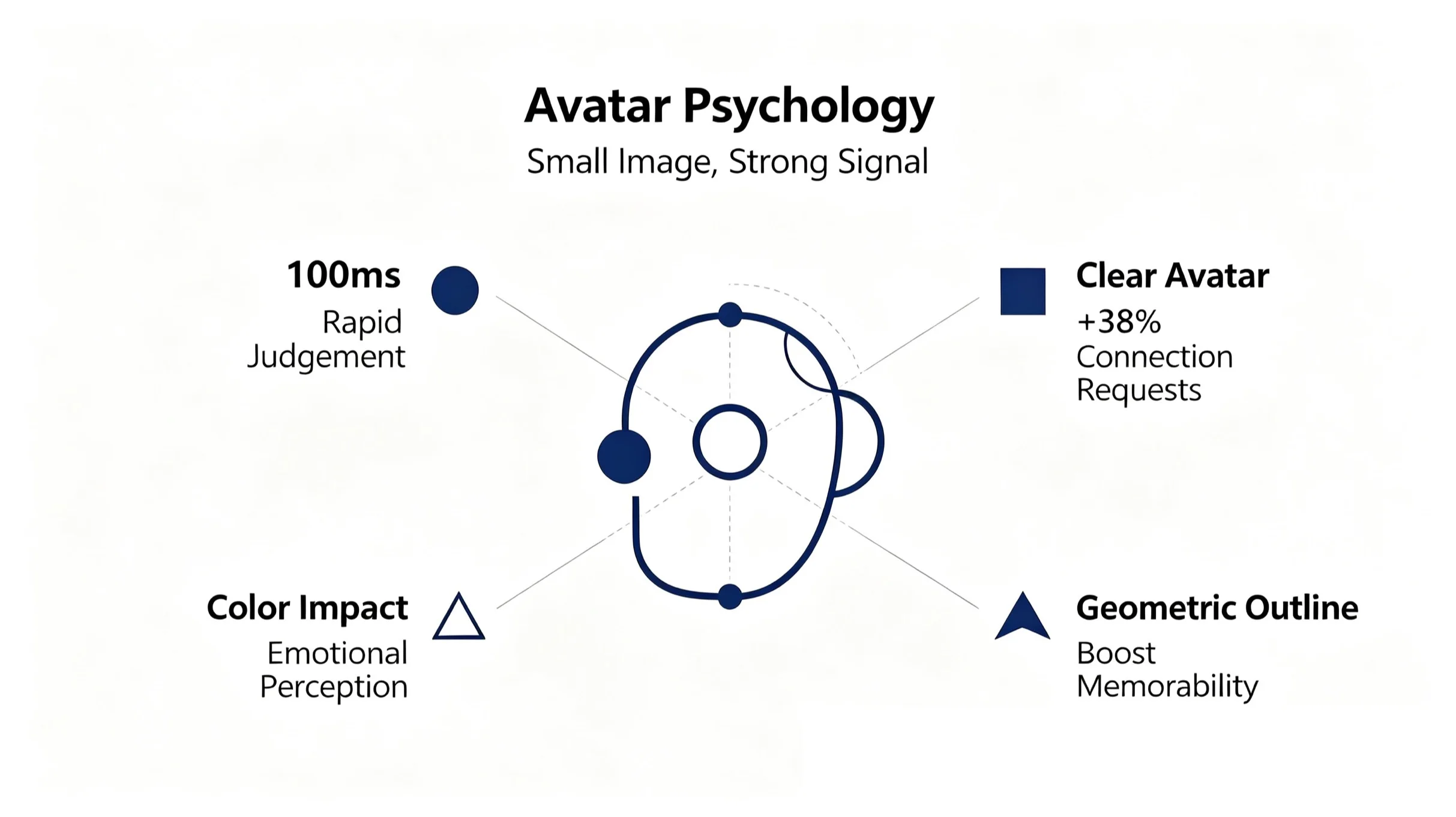
Your profile picture is often the first impression you make online. In a world where digital interactions increasingly replace face-to-face meetings, what your avatar communicates matters more than ever. Research in social psychology shows that people form a judgment about your trustworthiness, competence, and likability within as little as 100 milliseconds of seeing your face — and when that face is a profile picture, the same snap judgment applies.
A 2023 study published in the Journal of Online Behavior found that profiles with clear, well-composed headshots received 38% more connection requests and 53% more positive first impressions compared to those with casual or unclear photos. This means your avatar is not just decoration — it is a critical component of your digital identity, operating at a subconscious level before anyone reads a single word of your bio.
Your online presence starts with this single image. Whether you are building a personal brand on LinkedIn, growing a creative following on Instagram, or connecting with friends on WeChat, your profile picture shapes how people perceive you before you say a word. That is why investing in a high-quality, intentional portrait — whether a professional headshot or an AI stylized avatar — is one of the most impactful steps you can take for your digital identity.
For a deeper dive into the science behind first impressions, read: Why Your Profile Picture Matters: The Psychology Behind First Impressions
The Evolution of Online Avatars
The way we present ourselves online has undergone a remarkable transformation over the past two decades. In the early 2000s, your online presence was often represented by a pixelated icon or a preset avatar — QQ users in China carefully selected from a library of preset icons, each choice saying something about your identity without using your real photo.
The smartphone camera changed everything. With the rise of front-facing cameras, the selfie became the definitive form of online self-presentation. Apps like Meitu and Instagram popularized beauty filters and retouching tools, creating a new standard for profile pictures. By the 2010s, a carefully angled, heavily filtered selfie was the default across social platforms.
The 2020s brought AI-generated avatars into the mainstream. What started as novelty apps evolved into sophisticated style transfer technology that could reimagine your portrait in any artistic style. Today, AI stylized portraits represent a middle ground between the anonymity of early internet avatars and the raw authenticity of unfiltered selfies — they are recognizably you, but in a version that reflects your aesthetic choices. This evolution mirrors a broader shift in how we think about digital identity: from anonymous to authentic to intentionally crafted.
For the complete journey from pixel icons to AI portraits, read: From Selfies to AI Avatars: How Profile Pictures Evolved in the Internet Age
Psychology of First Impressions
Every visual element of your profile picture sends a psychological signal that shapes how others perceive you. Understanding avatar psychology — the science of how people respond to different portrait styles, colors, and expressions — helps you make intentional choices that align with your goals.
Color psychology plays a major role. Warm tones like soft orange and beige convey approachability and warmth, while cool blues and sharp contrasts signal professionalism and competence. Facial expression matters enormously: a slight smile is perceived as both confident and friendly, while a neutral expression can come across as aloof or serious depending on context. Eye contact builds trust; looking away reads as reflective or disengaged.
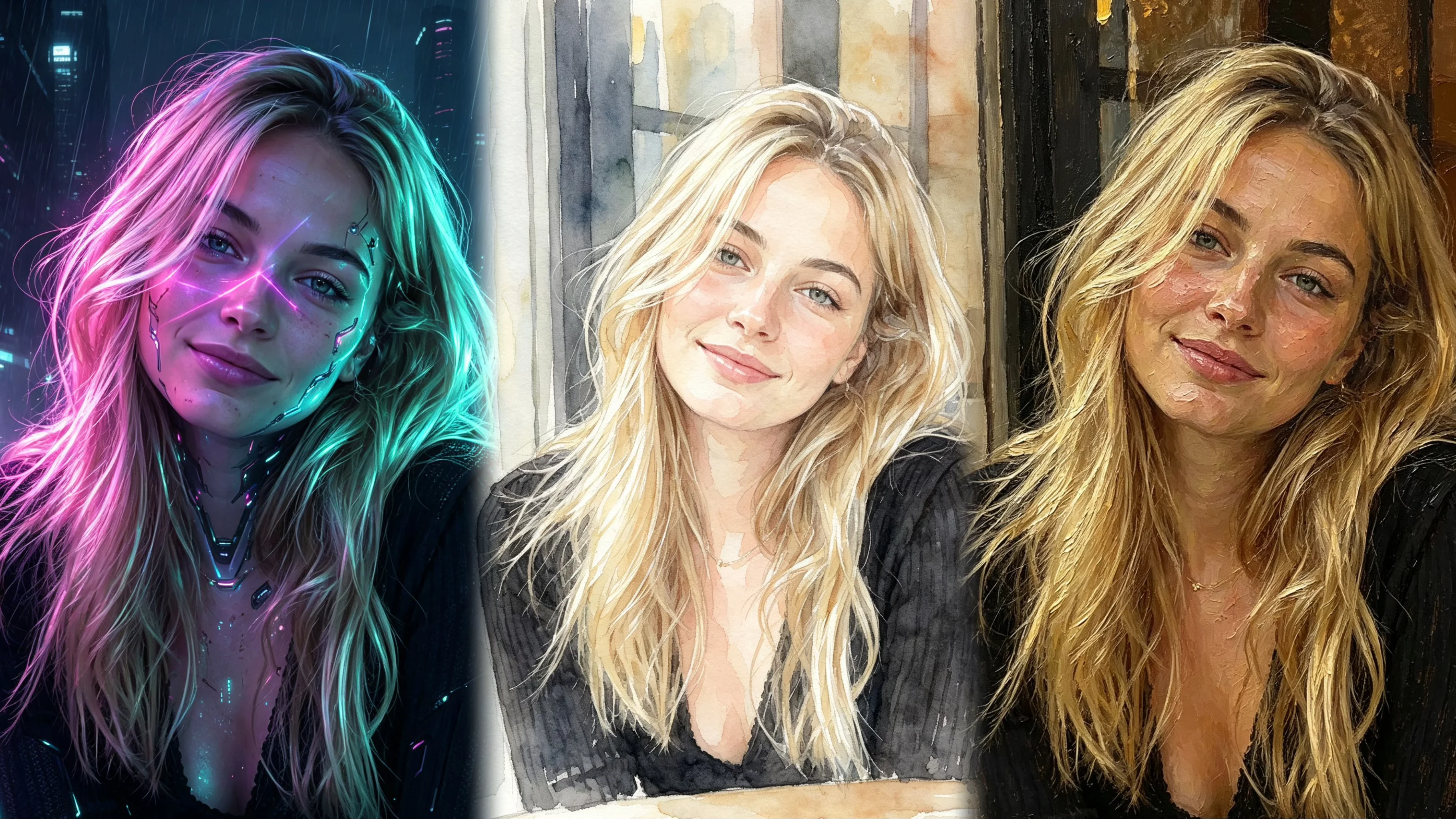
Even the artistic style of your portrait affects perception. An oil-painting portrait suggests tradition and sophistication; a watercolor style feels warm and artistic; a cyberpunk aesthetic signals creativity and non-conformity. Each style tells a different story about your personal brand — which is why choosing the right avatar strategy matters not just for aesthetics, but for the psychological impact it creates.
Bobi 32 stylized portraits let you choose exactly which message your avatar sends, giving you control over the psychology of your first impression.
For the complete science of avatar perception, read: Why Your Profile Picture Matters: The Psychology Behind First Impressions
Different People, Different Avatars
Not everyone needs the same avatar strategy. Your choice of profile picture should align with your audience, your goals, and the platform culture you are engaging with. Understanding these differences is key to building an effective online presence.
For gamers and gaming communities, the avatar is an extension of in-game identity. Fantasy-driven styles like cyberpunk, dark gothic, and nordic mythology are popular because they align with gaming aesthetics and signal belonging to specific communities. An effective avatar strategy for this audience prioritizes creativity and character-like expression over realism.
For content creators and influencers, consistency is the priority. A recognizable profile picture helps followers find you across platforms. Many creators use a single high-quality photo and generate multiple stylized versions for different platforms — an oil-painting style for YouTube, watercolor for Instagram, cel-shaded anime for TikTok. This approach maintains personal brand recognition while adapting to each platform visual culture.
For professionals, the challenge is balancing polish with approachability. Traditional headshots can feel stiff, while casual selfies undermine credibility. AI stylized portraits in oil painting or ink wash styles offer a middle path that conveys sophistication and artistic sensibility while remaining professional. This avatar strategy is increasingly popular among young professionals who want to stand out in competitive fields.
For a detailed breakdown by audience type, read: How Gamers, Creators, and Professionals Choose Their Avatars
Professional Photo vs AI
A common dilemma: should you invest in a professional headshot session or use an AI stylized portrait? The answer, for most people, is both — each serves a different purpose and excels in different contexts.
Here is how professional headshots and AI stylized portraits compare across the key dimensions that matter for your personal brand:
- Cost. Professional headshots run $200 to $1,000+ for a single photo. Bobi AI stylized portraits are free to start, with each additional stylized portrait costing only a small fraction of a professional session.
- Style variety. Professional shoots deliver 1-3 looks. Bobi offers 32 preset styles plus unlimited custom prompt options — all from a single photo upload.
- Formality. Professional photos are the gold standard for high-stakes formal settings — corporate websites, legal profiles, keynote speaker bios. AI portraits range from polished (oil painting, ink wash) to playful (anime, illustration), covering everything in between.
- Adaptability. Professional headshots are one-size-fits-most. AI stylized portraits can be optimized for each platform — oil painting for LinkedIn, watercolor for Instagram, cyberpunk for Discord.
- Frequency. Professional shoots happen yearly at best. AI portraits can be updated anytime you want a fresh look for your online presence.
The optimal avatar strategy? Invest in one professional headshot for formal settings, then use Bobi to create AI stylized versions for everything else. This gives you the authenticity of real photography where it matters, plus the flexibility of AI where variety counts.
For the complete comparison and decision framework, read: Professional Headshots vs AI Avatars: When to Use Each
Build Your Digital Identity
Whether you are a Gen Z professional building your first online presence or an established creator refreshing your personal brand, your avatar is a foundational element of your digital identity. Getting it right does not require a photoshoot or design skills — it just requires intentionality.
The best approach is intentional and iterative. Start by understanding the platforms where you need to be present and what style fits each context. Choose a profile picture that feels authentic to who you are — not just what looks trendy. Gather feedback from friends or colleagues to see which versions resonate most. And plan to refresh your avatar as your identity and career evolve.
Your avatar strategy should answer three questions: Who is my audience? What impression do I want to make? Which platform am I optimizing for? Once you have clarity on these, the choice of style becomes straightforward. Bobi makes it easy to experiment across 32 styles from a single photo, so you can try different looks and find the one that best represents your digital identity.
Remember: your digital identity is not static. It evolves as you do. The best time to start building it intentionally is now.
For the Gen Z perspective on building a digital identity from scratch, read: Gen Z's Guide to Digital Identity: Build Your Online Presence in Your 20s