What Are AI Avatars
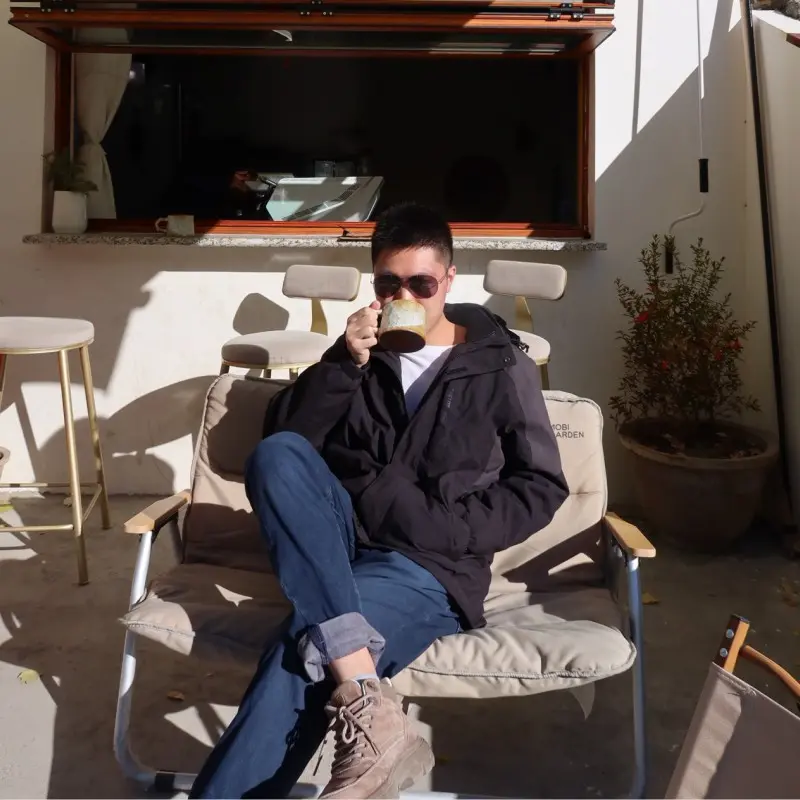
AI avatars are stylized digital portraits created by transforming your uploaded photos through machine-learning-based style transfer. Instead of simply applying a filter on top of your image, the AI analyzes the structure of your face — your features, expressions, and proportions — and reimagines you in an entirely different artistic style. The result is not just a modified photo; it is a new portrait of you, rendered in the visual language of anime, oil painting, cyberpunk, watercolor, or any of dozens of styles. Because AI avatars create an entirely new image rather than editing an existing one, they make for a far more compelling profile picture that captures attention instantly.
In 2026, AI avatars have moved from a novelty to a mainstream tool for self-expression. According to recent industry data, the AI avatar market is projected to reach $5.6 billion by 2028, with over 200 million active users worldwide. Millions now use them for social media profiles, professional networking, gaming identities, and personal branding. The technology has matured to the point where the results are indistinguishable from hand-crafted artwork — and the process is simple: upload a photo, choose a style, and tap generate. No technical skills or complex prompts needed.
At its core, an AI avatar is your digital self — a version of you that exists in a different visual universe. And that is where the real magic lies.
Why Your Profile Picture Style Matters
Your profile picture is often the first thing people notice about you online. In fact, research shows that people form a first impression in just 100 milliseconds based on your profile photo. In a world where digital interactions increasingly replace face-to-face meetings, what your profile picture communicates matters more than ever. A stylized portrait does more than just look good — it tells people something about your personality, your taste, and the impression you want to make.
Different styles convey very different messages about who you are. For example, a classical oil-painting portrait signals professionalism and timelessness. A cyberpunk avatar, in contrast, suggests creativity and an edge. A watercolor portrait feels approachable and warm, while an anime style communicates playfulness and cultural awareness. By choosing a style that aligns with who you are, you are making an intentional statement about your identity.
This is why the rise of AI avatars is not just about better technology — it is about giving people the tools to express themselves more fully online. A single selfie, on the other hand, can only say so much. A stylized portrait can say a lot more. It tells people not just what you look like, but how you want to be seen.
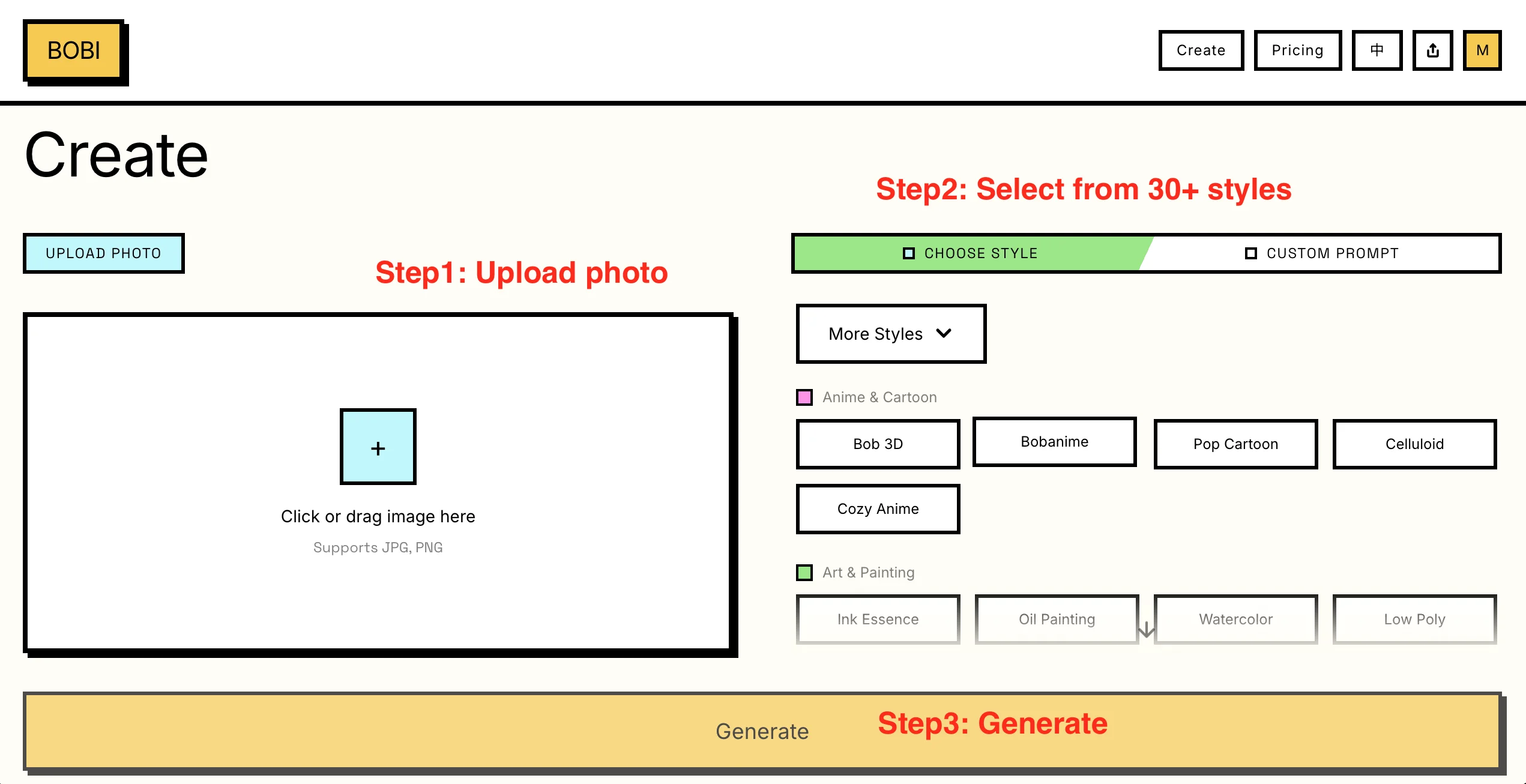
How It Works: Simple Three Steps
Bobi makes the process incredibly simple. There are no complex settings, no sliders to adjust, and no technical knowledge required. The experience is designed around a single question: what do you want to look like?
- Upload your photo. Start with a clear front-facing shot — good lighting and a simple background work best. Bobi is flexible enough to handle various photo types, including casual selfies and group photos.
- Choose your style. Browse through 32 unique styles across 4 visual categories — from classical oil painting to cyberpunk, watercolor to anime. You can explore each category to find the one that best represents your personality and the impression you want to make.
- Generate your portrait. Tap generate, and within seconds your stylized character portrait is ready to download and share. As a result, you get a professional-quality portrait without any editing skills, photo equipment, or design experience whatsoever.
That is it. No parameter tuning, no learning curve, no trial and error. Bobi handles the technical complexity so you can focus on the creative part — choosing the version of yourself you want to share with the world as your next profile picture.
Beyond Filters: What Makes AI Avatars Different
To understand what makes AI avatars special, it helps to first look at what they are not. A regular filter applies uniform effects across your image — changing brightness, adding a vintage tone, or smoothing skin. It changes the surface, not the substance. A face-swap app places your features onto another person's face or a pre-existing character. AI avatar generation, however, is fundamentally different in both process and result.
The key difference comes down to how each technology handles your image. A filter modifies your existing photo — useful for quick social media posts but limited in creative range. A face-swap creates a composite that blends two images, often looking unnatural at the edges. An AI avatar, by contrast, analyzes your facial structure and creates an entirely new portrait from scratch. The result preserves your likeness while transforming your entire aesthetic into the art style of your choice. Instead of offering a handful of color adjustments, you get 32 distinct styles plus the ability to customize through prompts.
This is the distinction that matters most: AI avatars are not edited photos. They are newly created portraits — inspired by your appearance and rendered in the visual language of your choice. While filters have their place for casual use, AI avatars unlock a level of creative expression that traditional photo editing simply cannot match.
Bobi and Your Parallel Self
Bobi takes this concept one step further. Instead of simply generating a stylized version of your photo, Bobi treats each output as a character from a parallel universe — a version of you that exists in a different world, with a different aesthetic, a different story. This is why we call Bobi a parallel universe self creator, not just an AI avatar maker.
Every stylized character portrait Bobi creates is meant to feel like more than just a profile picture. It is a glimpse into an alternate version of your life — the you that lives in a Studio Ghibli film, the you that walks through a cyberpunk city, the you that poses for a classical oil painting. Each portrait tells a different story.
Ready to meet your parallel self? Upload a photo and discover which version of you is waiting on the other side. Whether you need a new profile picture for LinkedIn, a creative avatar for Instagram, or just want to see yourself in a new light, Bobi makes it possible in seconds.
Frequently Asked Questions
What is the difference between an AI avatar, a filter, and a face swap?
A filter modifies your existing photo by adjusting colors and effects. A face swap replaces your face with another person's features. An AI avatar, however, analyzes your facial structure and creates a brand-new portrait in an artistic style — it is not an edit but a full recreation.
Do I need technical skills to create an AI avatar?
Not at all. Bobi is designed for anyone to use. The entire process is three simple steps: upload, choose a style, and generate. There are no settings to tweak, no prompts to write, and no design skills required.
How long does it take to generate an AI avatar?
The generation process takes just a few seconds. From uploading your photo to downloading your stylized portrait, the entire experience typically takes less than a minute.
Can I use an AI avatar for my professional profile picture?
Absolutely. In fact, many professionals use stylized portraits on LinkedIn, personal websites, and professional portfolios. Styles like oil painting and watercolor convey a polished, artistic impression that stands out from standard headshots while remaining professional.